Headscale Multi-Tenant Isolation for ACL and DNS
· 2 min read
This post shows practical outcomes of transforming single-instance headscale into a multi-tenant model with isolation across tailnet, ACL, routes, DNS, CLI operations, and relay strategy.
Original post: headscale多租户改造,ACL、路由、DNS等全隔离
Transformation Goals
Headscale is originally single-instance and effectively single-tailnet by default. Multi-tenant support requires strict per-tenant isolation for:
- tailnet address spaces
- ACL policies
- route definitions
- MagicDNS namespaces
- CLI management flow
- relay server strategy
Key Points
Tailnet
- Each tenant has an independent tailnet.
- Default pool
10.64.0.0/10can remain, or be customized (for example192.168.6.0/24). - A built-in
defaulttenant keeps backward-compatible behavior.
ACL and Routes
- ACL policies are fully tenant-scoped.
- Route configs are tenant-scoped as well.
MagicDNS
- FQDN pattern:
hostname.<tenant_key>.<dns.base_domain>. - The
defaulttenant usesdefaultas subdomain.
CLI
- CLI commands add tenant targeting (for example
-t).
Relay Servers
- Tenants can share relay infra.
- Or each tenant can use dedicated relay nodes for stronger isolation.
Example Screenshots
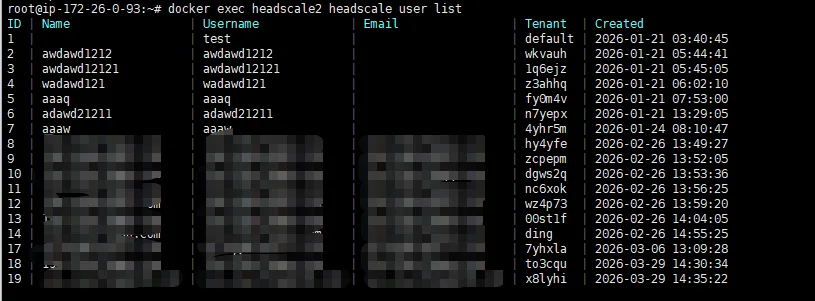
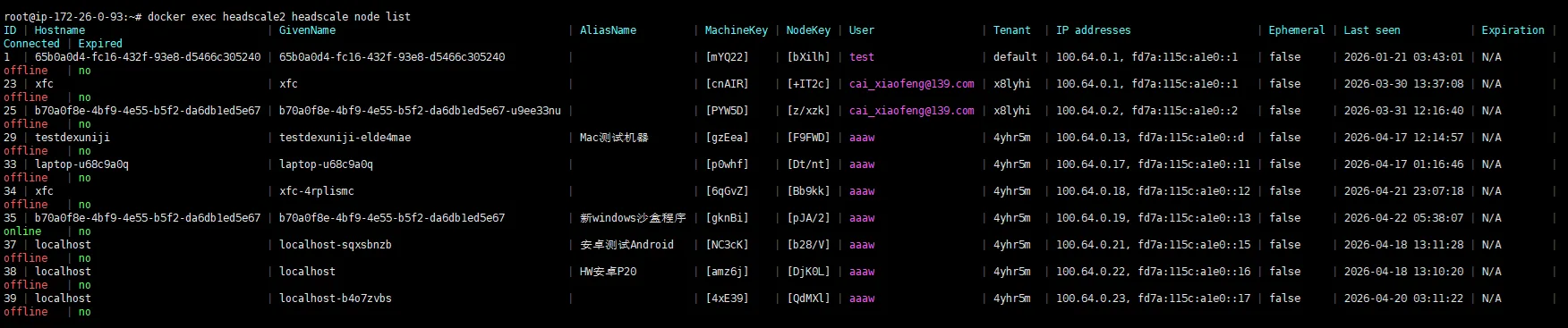

This article is mirrored on the Larktun blog. For source updates and original context, refer to: headscale多租户改造,ACL、路由、DNS等全隔离